
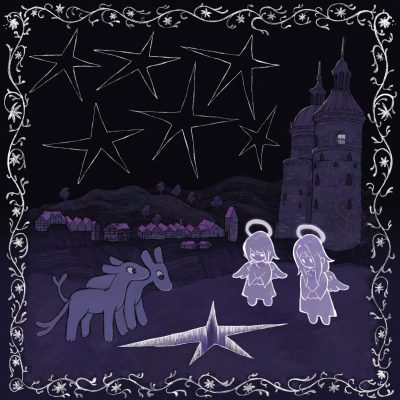
J. McClendon’s non-glass beach project is a restrained gut-punch to the stomach in mental illness and repression.
J. McClendon, also known as Classic J, is a tad bit familiar as a name. You are likely going to recognise her as the frontwoman of glass beach whose multifarious style allows a nice fandom to back them. Yet, this is only a part of what makes the band appealing. Much of their lyrical themes are built on lived experiences that is McClendon’s identity as a trans woman. Right from the first glass beach album, gender identity sits comfy in many of the songs as the voice sought to grapple with the very real dread of being born in the wrong body. McClendon does not shy away from this personal subtext. At the same time, she did jolt down on her blog that her then-upcoming work doesn’t have a grand vision or a clear artistic theme to it.
McClendon’s latest work isn’t done under the glass beach band that she serves as the face of. Instead, it’s a one-person project called you are an angel which is supplemented largely by minimal collaborative help. And the aforementioned work is titled it’s fine to dream. There really aren’t any deep themes behind it and to find any lying around is most likely coincidental. That being said, the album carries the vague feelings that they are made in reaction to McClendon’s rage over the enshittification of her life. The feeling of being trapped in the suburbia that demands performativity or being hopeless when it comes to saving the world that is doomed to chew itself to oblivion like an ouroboros.
it’s fine to dream is an indie rock record at the end of the day. It is also one that carries the confessionalism of Jordaan Mason’s Divorce Lawyers I Shaved My Head, the poppy theatricism of My Chemical Romance’s Welcome to the Black Parade, and the power pop grittiness of Weezer’s Pinkerton era. Keep in mind that it is more restrained in its already grandiose instrumentation compared to the glass beach albums. Look no further than the in-media-res of ‘overture’ where the guitar and the drumming roars in fury to signify the self-loathing that is eating one away. The more major-key note in ‘10 rows of teeth’ is contrapuntal to the thematic feeling that your body is fake. Even in the very outro is there the small tsunami of twinkly electronica and glockenspiel which ebbs to a quiet ambience. Or, as the fourth example, ‘sure’ where its acoustic guitars conflict with its derealisation from being chronically online all the time.
One notable aspect of the album that is worth providing credit towards is that McClendon has shown a strong understanding on how to manage the tempo of the songs. By identifying clear moments in the structure on when to slow down or limit the volume without coming off as being abrupt, the music is given more room to breathe and thus makes it stick out as more emotional.
‘headphones’ lacks a clear vocal chorus in favour of a melodic instrumental break where the guitar erupts in volume as if to signal the confrontation with the painful nostalgia of the past. ‘industry’ marks its moments of tranquility through its keyboard before moving towards a more conventional rock build-up in contrast with the more bitpop-driven electronica. This marks the complications that stem from the growing right-wing acceptance of saying slurs online alongside the growing authoritarianism of tech giants. And then you have the more simpler note in ‘look’ where the more gentle tone and neutered instrumentation helps to make clear the focus on balancing the life of being a music artist while surviving online harassment. Something that one of her key influences in the mentioned Daniel Johnson would have experienced.
Bombastic as the instrumentations are, the funny bit of irony that it’s more restrained compared to the glass beach records does draw attention to its big weakness. it’s fine to dream has a clear melodramatic touch to it and that aspect isn’t problematic in and of itself. However, when you have the electronic beats to add more depth to the music and some bits of autotune to weave some vocal layering, the restraint does start to backfire and it instead feels a tad bit too overblown. This is actually displayed in ‘kate said’ which actually continues on from one of the characters in the first glass beach album. The contrast between the thematic focus on a codependent relationship that comes to an end and the growing electronic aspects can feel very overblown with how it can distract from the in-group/out-group mentality.
It is an ironic instance of those “half-measures” where the absence of more prog-like elements or maximalist aspects makes the record feel a bit much for its direction. Had McClendon gone with the hyperbole that defines glass beach, this would be much less notable…
Or she could instead go the way of the Wonder Years and go all-in on rock. Many of the top highlights in the record feels less budgeted and more like post-hardcore emo cuts. The title track documents McClendon’s grieving of a friend who committed suicide and it’s a gut-punch all the way through with how it’s able to blend the acoustic strums from the chorus with the screaming from the verses. ‘why’ catches you off-guard with its rough-edged guitar riff that is out of Rivers Cuomo’s bank of demos which compliments the kind of codependent couple that proves willing to end each other’s lives to end their mental illnesses. And in ‘escape your hometown by any means necessary’ (which is inspired by Friendship Bracelets whom some of glass beach’s members were once from), the more basic vocal layering which is done with McClendon’s friends and colleagues make for a cathartic penultimate track.
All this pales in impact compared to ‘the same’ which is the second track. It reminds me of Cime despite the very different styles and compositions. Maybe it’s the sincerity that often gets subsidised with societal pittiness. Maybe it’s the explicit coverage of the trans experience in knowing that you will essentially live a completely different life once you make your transition. Whatever’s the case, the song highlights the feeling of dysphoria through its simple yet poignant lyrics – ““are you living in a lie?”” and “i fear we are so dangerous / though we both live in different ways” pulls no punches in depicting the vague anxieties regarding what it’s like to be your true self. Combine that with the extra-punchy punk playing and it’s a gem that is worth your every attention. it’s fine to dream might not have gone the whole way through with its direction which might leave a spot for past fans to be in need of scratching. However, in terms of how it conveys mental illnesses, being chronically online, and gender dysphoria, this is very much McClendon in an upswing trajectory.


Leave a Reply