
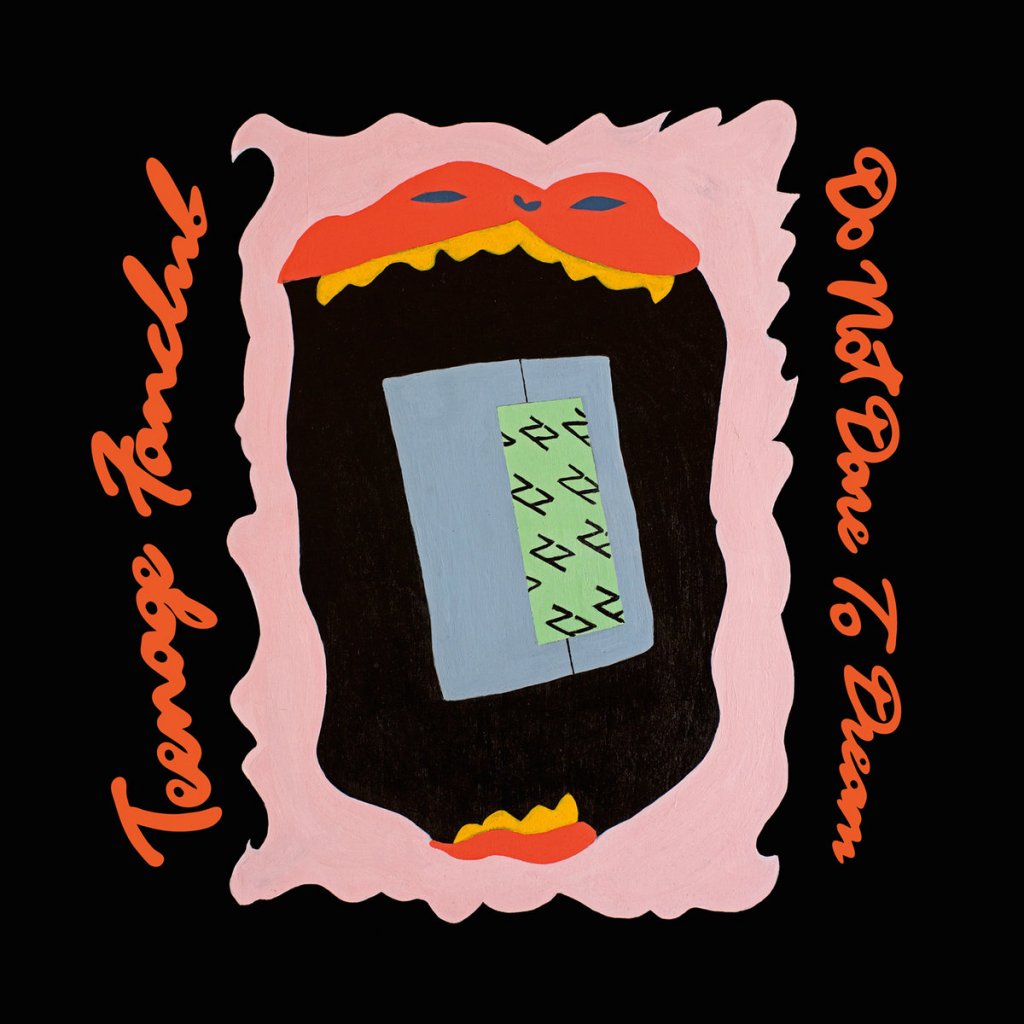
The Scottish power pop veterans’ latest album broods over ageing and hope even if its shine proves itself too blinding to fully mature.
Teenage Fanclub was once a Scottish maverick within the United Kingdom’s alternative/indie scene back in the 1990s. A power pop band fronted by singer-songwriter and guitarist Norman Blake, they are best known for their third album Bandwagonesque in 1991, just months after another of their studio releases, which contained a classic in ‘The Concept’. Their other more beloved albums include 1995’s Grand Prix, Songs from Northern Britain in the ever-so-stacked year of 1997, and a good bit of compliment arising from 2005’s Man-Made. Their legacy and long-standing influence within modern music today comes off as being neutered compared to more well-known contemporaries like Weezer, but their distinct jangle ensures that they’ll retain their unique flair.
Speaking of legacies, Teenage Fanclub’s seeming relative obscurity proves itself to be a minor boon to its creative direction. Without the pressure to release a top album, the band would especially enjoy the freedom to further examine their chosen themes. They have always been a kind of music act that seeks to be thoughtful about their works, but their latest album especially wants to toy with optimism. Do Not Dare To Dream is about being hopeful contrary to what the title would’ve suggested even if it comes down to miniscule details. Blake however wished to present it in a more realistic light. As promotional materials suggest, it flips on the “dare to dream” expression of speech to instead find joy in day-to-day living.
The record retains the jangly kick that made the band stand out from other names. What makes it distinct from other releases in the discography is its subtle restraint and the older ages of the band members only serve to accentuate the kind of wisdom that’s to be found from life experiences. ‘Tomorrow People’ keeps its lyrics simple in highlighting the importance of tending to your own business even if everything’s going to shit. The added platitude of synths and organ playing in the final quarter creates tension to the song to portray the humdrum focus on the self compared to being in constant doom. ‘Be With You Tonight’ takes on a more romantic tone which centers the love interest as a remedy to break the monotony of work with the less amplified guitar chords creating a kind of atmospheric intimacy. And you have the near-titular ‘I Do Not Dare To Dream’ where the upbeat major key notes are hammered down by the more reserved lyrics on trying to keep on living without becoming delusional.
So far, much of Do Not Dare To Dream appears to be serviceable alt-rock which doesn’t trend into new territories or artistic virtuosity. What it lacks in innovation, it makes up for in its heart and much of its maturity stems from how it doesn’t rely on flowery language so much as it does matter-of-fact emphases. ‘Take Time’ and ‘Young And Wise’ look into the redemptive possibility of change as you get older and wisen up in the process; the folksy guitar playing compliments the themes with its more homely impression. ‘The Same Air’ carries the recognisable call of seeing the common humanity and its musical textures come off as chill which allows for a more nurturing feel in its pacifistic angle. It’s a stunningly childlike representation of optimism that goes against the key ethos of the album. And with the texture specifically being more reminiscent of the classic rock formula of the Eagles, the retro-styled impression flips the naivete from being a dream to an aspiration.
So far, much of what I wrote on Do Not Dare To Dream has been complimentary even if they might not stick out as being entirely special in its own way. The lyrics are relatively rudimentary but are suitable to the intended mood. The instrumentation’s standard barring some keyboard playing allows the music to come through without coming off as being excessive for its own good. And there’s a broad cohesion to be appreciated in the ways that Teenage Fanclub tries to highlight their themes about being cautiously hopeful without coming off as being patronising. Where, then, did the album fall short?
Personally, the key issue with Do Not Dare To Dream lies in its production which sounds too professional for its own good. It’s the same kind of problem that one might stumble upon when listening to Lambchop or the Milk Carton Kids (for those who read my previous reviews on them). The clear vocals and instrumental music notes might at first come off as a blessing where it adds to the accessibility of the whole record by allowing us to appreciate the lyrics and atmosphere more intently. However, the long-term value of it starts to chip away whatever kind of authenticity the album has because it’s precisely too clean as to rope away any deeper value beyond the surface. Thus, the album slowly rots away its listenability to the point of blending in with other average records. It’s like listening to the Mountain Goats’ All Hail West Texas without the sputtering wheel grind that makes the record feel authentic; the overall vibe and emotional resonance went straight out the window.
‘Over And Over’ and ‘There Was You’ are among the biggest recipients of the subtle overproduction that robs away the credibility of the album’s themes. The small vocal layering dulls away the everyman appeal which leaves the two mentioned songs as being impersonal. It flips the delicate balance surrounding its accessibility compared to its wise reservations into being a hollow call to relatability without any wisdom to bounce on. Both ‘Somewhere To Land’ and ‘Day In The Sun’ are more divergent in their sound direction with the former being a brooding piece about finding your purpose and the latter being an ecstatic treatise on being with your partner. These diversities are hampered by how highly defined the sounds are paradoxically speaking. ‘Somewhere To Land’ shouldn’t come off as clean in light of its focus on wanting to turn a new leaf and ‘Day In The Sun’ carries the same tweeness as ‘The Same Air’ with its texture only coming off as being insincere rather than romantic.
And you can then see how odourless the whole record comes across as once you apply the production issue. ‘Tomorrow People’ sounds a tad bit too jovial for its own good, ‘Young And Wise’ feels melodramatic in its bid for growing up, and ‘I Do Not Dare To Dream’ shouldn’t come off as energetic as it did in calling for caution for better days. Do Not Dare To Dream thus stands on the surface as being a pleasant listen where the themes and instrumentation are enjoyable even if they do not break new grounds. It’s rather the production that blurs the longevity of the record’s impact as it makes it not stand out compared to the other power pop or jangle pop albums both of the past and up to this day.
Because it’s too “shiny” for its own good, Do Not Dare To Dream renders itself bland as an experience and whatever poignancy there is to appreciate. In other words, it’s like an average Weezer record following the 1990s. There might be a handful of interesting observations to take in and the band’s experience helps to add to making the music vibrant. It lacks a bit of grit however to make its themes hit harder and the palette as a whole suffers because there’s no vulnerability or rawness for you to fully comprehend. Fans of guitar pop tunes would find this to be a worthwhile listen, but it wouldn’t stick around in the long term and it will certainly not replace Bandwagonesque as the cornerstone of Teenage Fanclub’s discography.


Leave a Reply