
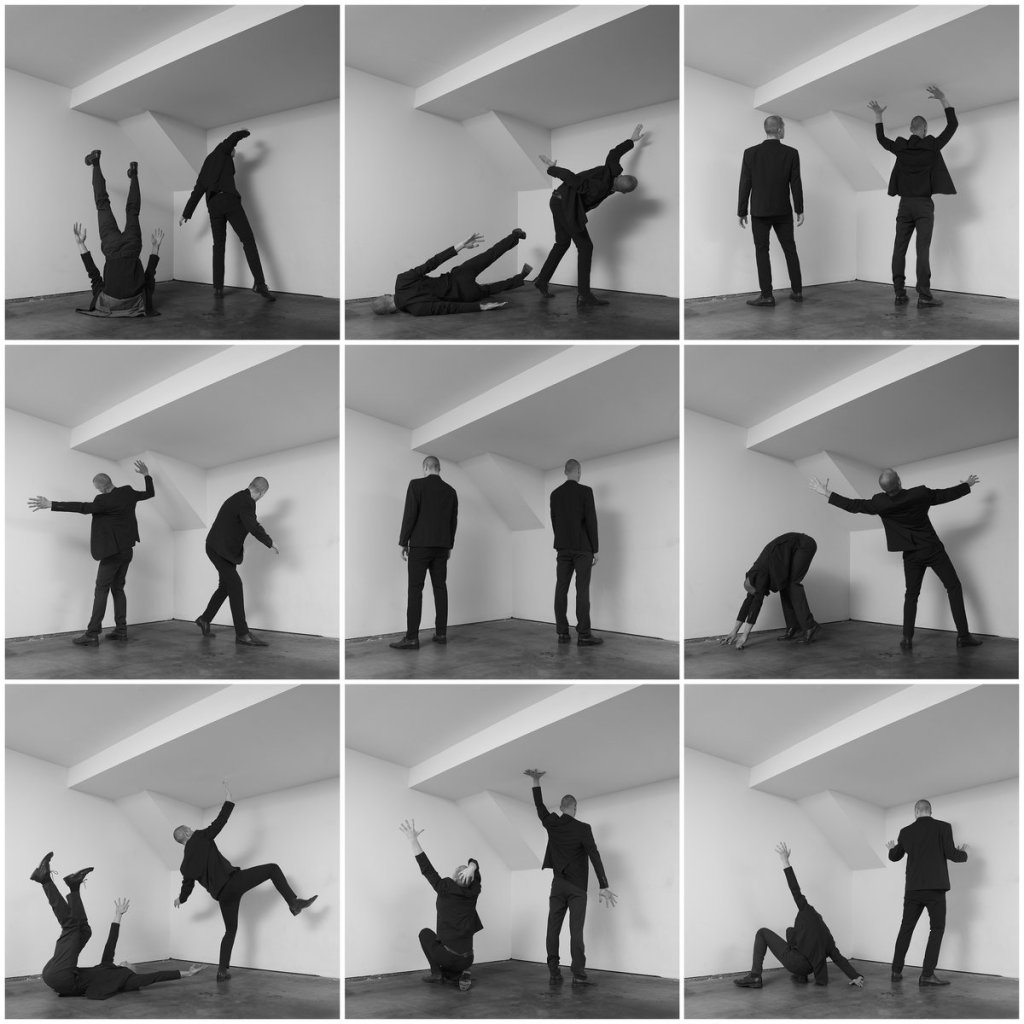
Completely, utterly, hopelessly unhinged. The Los Angeles-borne band have nothing to hold them back in all their noise.
4.1/5
For the uninitiated, Sprain is an American noise rock band from California who, in 2020, tried to make a breakthrough with As Lost Through Collision. A largely slowcore-based record with apparent post-hardcore influences, the record managed to garner some interest although it failed to provide the band with a clear cult following. The love for ruthless feedback, depressive themes, and the sprechgesang vocal style would however set the band up with potential. A slight setback in their goals as an upcomer in the indie scene would only push them further on in harnessing their talents. In one of a handful of interviews from Post Trash prior to releasing their second album, the lead singer-songwriter and guitarist Alex Kent said that the album would see Sprain play without any restraint. Whatever characteristic makes As Lost Through Collision likeable is doubled down upon without any hesitance. To both fans and new listeners, The Lamb as Effigy is the opus to look out for.
Starting with ‘Man Proposes, God Disposes’, you are taken into a sharp vibrato and tremolo of violins before the cynical mix of drum and guitar pops in. Kent’s sing-talking spearheads through like an ancient bard who proclaims that the end of civilisation as we know it is near. Vulgarity rears its head through with allusions to masturbation, slavery, mass executions, and despair. Expect these themes to prop up ubiquitously for the rest of the album as musings on cult mentality, failure, and the apocalypse persists like a warning to the end times. Hope does not exist here; there lives only madness from which our modern world builds itself around.
Helping with much of the themes’ conviction is Kent’s admiration of a Japanese animated film, 1998’s End of Evangelion, which he mentions in an AMA. If anything, you can notice its impact flow through in some of the lyrics. ‘The Commercial Nude’, as one example, begins with a seemingly biblical reference with the murmur around “[constituting one’s] body as [one’s mother’s] body”. Such phrasing would often be used as a reflection of our ancestry and our past, but the context of which it’s been used points more towards fetishizing reality as a commodity and our image.
There’s a notable motif of exposure to the public eye for humiliation purposes which could signify how desensitised we feel about everyday suffering. Such dehumanisation is oftentimes backed by the sense of acting, of the attempt to mask our emotions through putting on an everyday performance to hide our authentic selves. ‘The Reclining Nude’ shows such through the couple in a toxic relationship, utterly codependent with one another despite their lack of emotional bond to each other. On the other hand, there’s also the critique of the internet’s use as a way to ‘brand’ ourselves which is highlighted best in ‘We Think So Ill of You’. To picture a talk show that’s described through fantastical languages as a cavern of sadomasochism is daunting and it mirrors the extent of which we hurt ourselves just for a shed of attention.
The album saw considerable influences or at least parallels from contemporaries like Lingua Ignota through its grim use of classical instruments. The combination of noise and keyboards make for an unsettling, provocative experiment to endure. ‘Privilege of Being’ weaves through the sudden cacophony of glitching electronica (that could give you a jumpscare) with the miserly church organ. The pure dissonance of the instrumentations and how they converge into a dizzying mess of tinnitus-causing textures can at times feel compelling and the singing can even be impressive in all the shrilling. For those who would like a bit more conventional work, ‘Reiterations’ is driven largely by the riveting drumbeat with ferocious guitar strums over monologues about sexuality and perversion.
One notable aspect that makes The Lamb as Effigy stand out is its major emphasis on atonality and droning. Prominent in two of the album’s longest tracks in ‘Margin For Error’ and ‘God, or Whatever You Call It’ is its reliance on such combinations to fill in its absurd 24 minutes duration each which makes up half of the record’s total length. It’s arguably both the album’s greatest strength and its worst weakness. On one hand, it can truly make the subtly hypnotic qualities of the record stick out a lot more, yet its overwhelming longevity also adds to the near-nihilistic tediousness that listeners might have to endure. Once the droning begins, either you find it to be the most cathartic part of the whole album or you wish to check your ears out once you’re done. At least luckily for me, I do lean towards the latter a bit more out of the two choices.
‘Margin For Error’ relies only on one verse which describes the melancholic remembrance of an abusive mother. The way that it’s sung can feel obnoxious as Kent would stretch thin the last syllable of certain lines a la Neutral Milk Hotel’s Jeff Mangum. It’s largely impressive as a technical feat, yet its execution can come off as grating when mixed with the hallowed organs and near-improvised drum roll. Once that’s done, you are treated to nearly 14 minutes’ worth of distorted feedback and non-stop drumming. If you’re hoping for an event that’s akin to Godspeed You! Black Emperor’s style, then expect little because the only build-up there is is the change in guitar note every minute or so. At the very least, fans of Glen Branca might appreciate the climax.
By comparison, I personally find ‘God, or Whatever You Call It’ to be my favourite track in this album. Here, everything went unhinged as recounts of rejection, tribelike devolution, cult of personalities, and complete mental unravelling comes on through with visceral dissonances. It’s frankly frightening to listen to the lyrics turn away from the celebration of killing the lamb to a plea-like imaginary conversation. Given the typical symbolism of the lamb with innocence, the turn from the small talk attempt to the pathetic beg to be sung feels theatric. The way that Sprain use the feedback and the distortion demands praise for how well it’s been utilised to put you on guard all the way to the end. The whole song structure builds up to become a daunting behemoth up until the brilliant hot-mic ending where not even the pleasure of self-harm would work as therapy all before the maniacal cacophony comes to close the record out: “I can’t sing if you’re looking at me!”
Is The Lamb as Effigy a masterpiece that deserves perfect scores? I don’t think so based on my experiences as I do find its cynicism to be slightly tiresome and its occasional lengthiness to be weary. Would I recommend the album to you? I can only say for sure if you’re into noise rock or are otherwise in love with pretty despondent works of art. Should you take it in as an experience? I would actually argue yes because it encapsulates much of our self-sabotaging obsession with attention seeking, degeneracy, and overall decline in our behaviours. If you’re precious about your mental health, I would advise you to look after it rather than check this one out now. Otherwise, let the madness ripple through you.
 GutterPutter
Leave a comment