
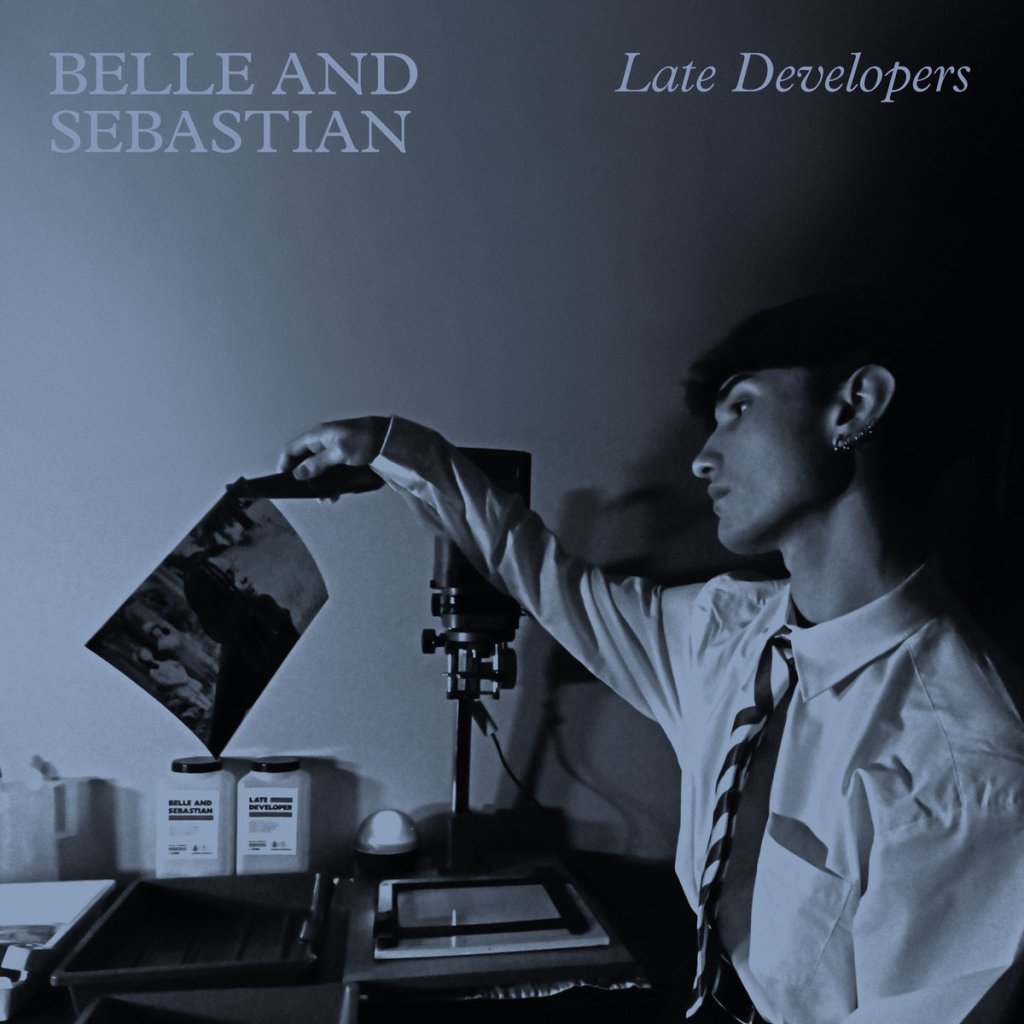
The mythic indie pop band’s latest release might not see even the lows of their bests, but it does retain its heart after all these years.
1.9/5
Context
As the old saying goes, it takes a lifetime to make your first album – and only a few months for your second. While you can’t literally apply it to every artist in the world, the main gist of it is that aspiring musicians and bands tend to enjoy more critical acclaim in the early years of their career where they enjoy the freedom to find their identity and play to their strengths. Once the honeymoon period is over, expectations will always be built around their future records not just in comparison to their magnum opus, but also in their relevance in the music industry.
This is what the influential Scottish indie pop band Belle and Sebastian needs to contend with throughout much of their career. The acclaim and legacy set by their second album, 1996’s If You’re Feeling Sinister, is so profound within alternative rock and twee pop that while much Stuart Murdoch and others’ career haven’t created a full-on dud, their discography is matched up against their sophomore breakthrough. Thus, while the band has their loyal fanbase like many acts who managed to create an impactful record, the spectre of their most well-known album stays around to make for an absurdly high bar.
Full Review
Their latest release, Late Developers, not only fails to live up to the very best of Belle and Sebastian, but they even struggled to produce what could qualify as a deep cut favourite. ‘Will I Tell You A Secret’ and ‘When the Cynics Stare Back’ were the closest examples. As their musical composition is close to the older records’ subdued approach to chamber pop, the jingly guitar playing and touching drum kick compliments Murdoch’s singing. Even if the lyrics might not resonate as much for their romance and relatively lacklustre wit, the production helps to make the two stand outs come off as being gentle. They’re a decent little listen, but that’s mostly thanks to how they feel more freshed out in execution compared with the other tracks.
Another little mention for tracks that I feel is relatively enjoyable is the opening track ‘Juliet Naked’. The in-media-res start, subdued horns, and the humming compliments the guitar strums very well. It mostly just so happens to be held up by the multi-layered singing which detracts from the gentle vocal style that Murdoch is a master at. This feels like a wasted opportunity as the production here feels bloated in its attempt to come off as being epic. While the instrumentation works pretty nicely as which you could pick up on throughout the album, there’s only so much that they could do to entertain you before you grow tired of the outside sketchy little dalliances.
If you’re planning on listening to this out of nostalgic love, then don’t expect it to remain the same throughout. There are synths in ‘When We Were Very Young’, which feels like an experimentation attempt; bellowing horns in ‘The Evening Star’ and the title track, a decent addition to make the band’s style grander; and riveting guitar riffs in ‘So In The Moment’, and ‘Give A Little Time’, a punk-like contrast to much of their discography. Lastly, you have a dance pop vibration in ‘When You Are With Me’ and ‘Do You Follow’.
This kind of variety would give the album an advantage through its accessibility and showcasing of what the act can do had it not come off as unfocused and inconsistent in execution. There’s no clear sense of a concept (if it exists at all), little to no leitmotif, virtually nothing within Late Developers that help to unite the tracks together as the sum of their parts,
This is especially baffling in the lead single ‘I Don’t Know What You See In Me’ which, true to the title, sticks out so much like a sore thumb that I struggle to see what makes it a worthwhile song. Its melodramatic verse-chorus structure, bursts of staccato synth notes, and dissonant singing of Murdoch makes the track feel kitschy. Unfortunately, that comes without an ounce of satire given that even the band’s signature literary knack is missing entirely. It’s such an overt flip when compared to the rest of the album even since you would think that it’s some kind of a cheap corporate trick.
Thus, Belle and Sebastian’s latest effort isn’t really one that is worth liking a whole load about. Outside of maybe two tracks and the instrumentation, this gives off the similar impression as a lot of other acclaimed acts that had reached their peak a long time ago. One that is aware that they’ve achieved all they can at their best and is now content with pursuing other options to their heart’s content – much to their adoring fan bases’ annoyance. If there is one little plus that I could credit the album for, it’s that Belle and Sebastian has retained its slight touch of twee long after their prime. It might not help their music all that much, but it’s the small bout of past passion that makes them hard to resist even in their weakest tracks.


Leave a Reply