
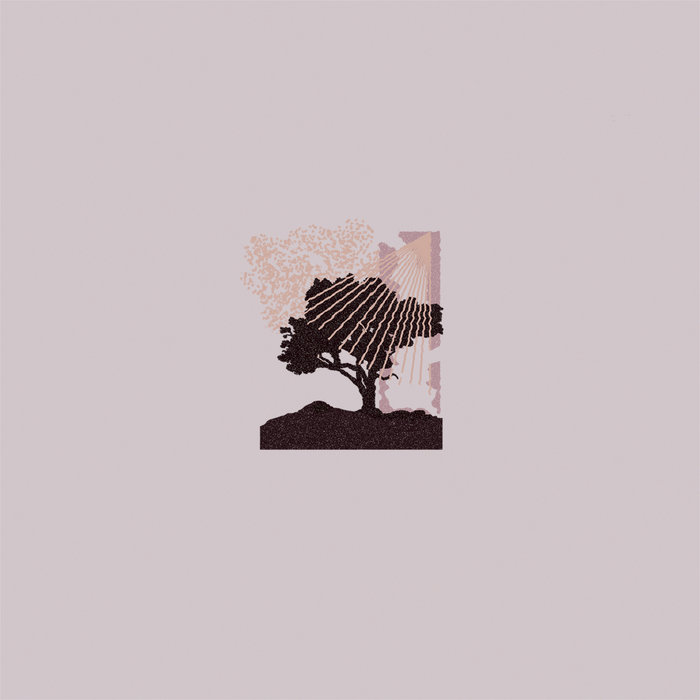
The Quebec band offers a kind of ‘derivative’ synth-rock that quietly grows on you even if it might not set forth new boundaries.
For a band that’s been around since 2006, Land of Talks didn’t quite reach up to the same level of respect or recognition as the likes of Women in the indie scene. With four previous records under their belt since 2008’s Some Are Lakes, the band was a clear gem for frontperson, guitarist, and lyricist Lizzie Powell. Over the course of their activity, Land of Talks tinkers with noise pop as a start although they would eventually settle down with dream pop with its reverberations and echoey productions. Yet, a bout of musical identity crisis in 2021 and general stress about earning a living as a musician pushes Powell to go for riskier changes. This gamble could either make or break her career.
On the Bandcamp page of Performances, Powell goes in length about their deviations from previous efforts. They mentioned that they’re leaning in favour of piano-driven ballads and introspection over their usual guitar usage, a hint that leans toward their desire to make their record for themself. Indeed, much of the album is reliant on keyboards to add a kind of sentimentality to the ruminations on escapism and past love. ‘Sitcom’ is ironically titled as such for its organs which feels reminiscent of a wedding being subverted over irreconcilable goals – “Played dead to rights / Fucked up what I said with what I did”. Other songs like ‘Semi-Precious’ played with synths to some vampiric imagery about preferring to hide from the sun that’s “eating the day.” These desires of using love to get away from the oftentimes harsh realities are further emphasised in ‘Marry It’ and ‘Your Beautiful Self’ which showcases the airy, phantasmal effects that separates Powell from us.
Tracks like ‘Rainbow Protection’ highlights the kind of intimacy that could be found through its acoustic guitar and the repetition that sounds both wearied and desperate for affection. “I want a love I don’t recognize,” cried Powell over the craving of affection that even they couldn’t conceptualise. These little bits of touch-starved drives do pave the way forward to annoyances and redundancies such as in ‘Fluorescent Blood’ where the whistles and the synths did little to justify the refraining of “You saw me Baby, where did I go wrong? / Anything you needed / Cause I know you like this song / They keep coming”. I can empathise with Powell’s goal of affirming themself as an artist by pushing away from the tragic pitfalls that end the careers of so many of their contemporaries. That being said, these overreliance on hooks or choruses can come to a detriment as they can come off as being too tedious to be warranted a listen.
It’s worth noting that four out of ten tracks in Performances are instrumental, meaning that only six songs have lyrics that tends to be one of my key areas of interest. ‘High Bright High’ is minimal with a lot more weight on electro-piano notes to add a certain tweeness as an opener. It does come off as cute, yet it might not do much to alleviate the fillers that could be found in ‘Clarinet dance jam’ or ‘August 13’. If you do want a considerably riveting listen, then the finale in ‘Pwintiques’ would suffice. Forget about the lyrics. It manages to capture the essence of getting away from your troubles through the polyrhythmic blend between the synths and the Gothic organs until the three-minute change. The minimal focus on the drum and the legato piano notes paves the way from silence to the fantastical crescendo of cymbals and deep synths. This lasts for three minutes before the track closes with the droning that lasts for the last minute of the 7-minute runtime. ‘Pwntiques’ encapsulates the prospect of being caught up in your head with your fantasies even if it might not have been as vivid as Godspeed You! Black Emperor in terms with using the instrumentals to purely convey human feelings.
Performances, at least to me, isn’t a knock out of the park. Powell should still be proud of themself for the creation of the record, yet there are apparent problems within it. Its more romantic allusions puts into risk the potential uniqueness that the context around the album could’ve provided. I personally would have hoped for there to be a greater sense of meta-commentary on what being a musician means and the difficulties there are in achieving our dreams. Nonetheless, I find the dream pop-like production to be one of the biggest strengths where it’s reminiscent of Beach House. With all that is said, the album is a nice enough listen that I would recommend either dream pop fans or even synth-pop enjoyers of all kinds to give this a go. This includes the Postal Services or the Blue Nile in the past although Let’s Eat Grandma might not be a bad shout-out as well.
 GutterPutter
Leave a comment